What Is the Difference Between a Shed and an ADU?
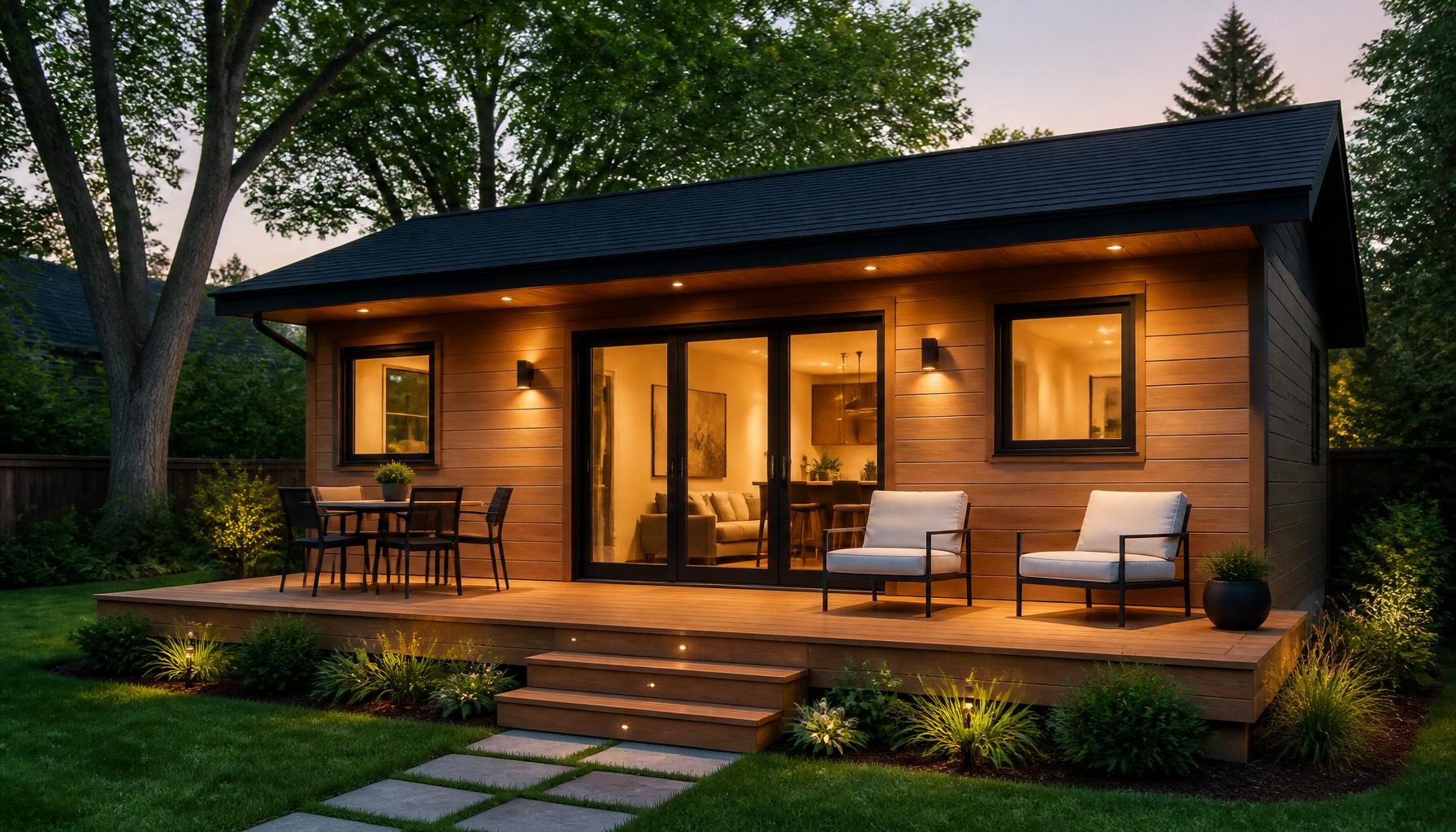
One of the most common questions I hear is:
"So... is an ADU basically just a fancy shed?"
The short answer?
No.
But I understand why people ask. People in Minnesota and the Upper Midwest don't see them as often as people do in other parts of the country.
At first glance, a storage shed, backyard office, studio, and ADU can all look surprisingly similar from the outside. They may have similar siding, windows, rooflines, and footprints.
The difference isn't what you see from the street.
It's what the building was designed to become.
And there are some distinct differences.
What Is a Shed?
A traditional shed is designed primarily for storage — lawn equipment, garden tools, seasonal decorations, bicycles, and just about anything else you want out of your garage.
Storage sheds serve an important purpose, but they're built around protecting belongings.
What Is an ADU?
An ADU, or Accessory Dwelling Unit, is a fully functional living space located on the same property as a primary residence.
Some people commonly refer to an ADU as a "tiny home," but those are different as well — we'll unpack that concept in a future post.
Depending on local regulations, an ADU may include:
- A kitchen
- A bathroom
- Sleeping space
- Plumbing
- Electrical systems
- Heating and cooling
- Residential code requirements
Unlike a storage shed, an ADU is designed for people to live in. There are many other factors that define an ADU — these are simply the basic concepts for now.
The Space Between: A Backyard People Building
This is where things get interesting.
Over the last several years, a new category of backyard structures has emerged across the country, but the concept is just beginning to gain traction here in the Upper Midwest. These buildings aren't designed to store a lawnmower, but they're also not intended to serve as a full-time living space.
The term many people are familiar with is "she shed," but these spaces can be used for much more than a ladies hobby that's outgrown the basement.
They're flexible spaces used as backyard offices, music studios, art spaces, workshops, fitness rooms, and creative retreats. They can also function as pool houses, game rooms, movie rooms, or golf simulators.
The most important distinction isn't how the building looks from the outside. It's what it was designed to support inside. They're designed for people, not stuff.
A storage building is designed to protect belongings. A people-focused structure is designed to support work, creativity, hobbies, focus, and daily life.
Why Homeowners Are Reimagining Their Backyards
Traditionally, creating more usable space meant one of two things:
- Finish the basement
- Build a home addition
Today, homeowners have more options. Let me break it down.
Many modern backyard structures are designed for year-round comfort and use, incorporating features commonly found in residential construction, such as upgraded windows and doors.
Storage shed manufacturers typically use single-pane windows and non-insulated doors constructed from the same panel siding used on the rest of the building. This is a cost-effective way to build a storage shed, but it stops making sense once insulation and climate control are added.
As remote work, small businesses, and flexible lifestyles continue to grow, many homeowners are discovering that the most valuable room in their home might not be attached to it.
These buildings can also provide a more cost-effective path to creating usable space because they combine concepts from both modular construction and traditional storage-building methods.
More Than a Building
At Midwest Accessory Structures, we're particularly interested in structures that blur the line between traditional storage buildings and residential living spaces.
We believe homeowners deserve backyard spaces that are comfortable, durable, and designed for year-round use.
But the most important question isn't:
"Is it a shed?"
The better question is:
"What do you want the space to become?" Because the building itself is only part of the story.
What matters most is what happens inside it.
Whether it's a backyard office, music studio, workshop, creative retreat, or someday an ADU, the goal is the same:
More Space for Your Life.
FAQ
What is the difference between a shed and an ADU?
A shed is primarily designed for storage, while an ADU is designed for people to live in and must meet additional building, zoning, and occupancy requirements.
Can a shed be converted into an ADU?
Most often, no. There are many variables, including the structure itself, local zoning regulations, building codes, utilities, and other factors. A certificate of occupancy, engineered foundation, and required inspections all add complexity and cost when creating a code-compliant habitable space.
What is an accessory structure?
An accessory structure is a secondary building located on the same property as a primary residence. Common examples include storage buildings, workshops, backyard offices, studios, and ADUs.
Is a backyard office considered an ADU?
In Minnesota, generally no. A backyard office is typically designed as a workspace rather than a dwelling unit, though local regulations vary between municipalities.
Frequently Asked Questions
Related Reading

Written by Troy
Founder, Midwest Accessory Structures
Troy helps homeowners across Minnesota create purposeful backyard spaces so they can focus on what matters most.